Things to Do in Hilo
A green, rainy bayfront town of waterfalls, gardens and old wooden storefronts.
See top-rated activities »About Hilo
Hilo is the island's county seat and its second gateway, with an airport of its own and a harbor where cruise ships call. It is one of the wettest cities in the United States, and the rain keeps everything green. Its downtown, a few blocks of wooden and stone storefronts facing Hilo Bay, has survived two destructive tsunamis, in 1946 and 1960; the land along the bay that was flattened then is now parks and open lawn.
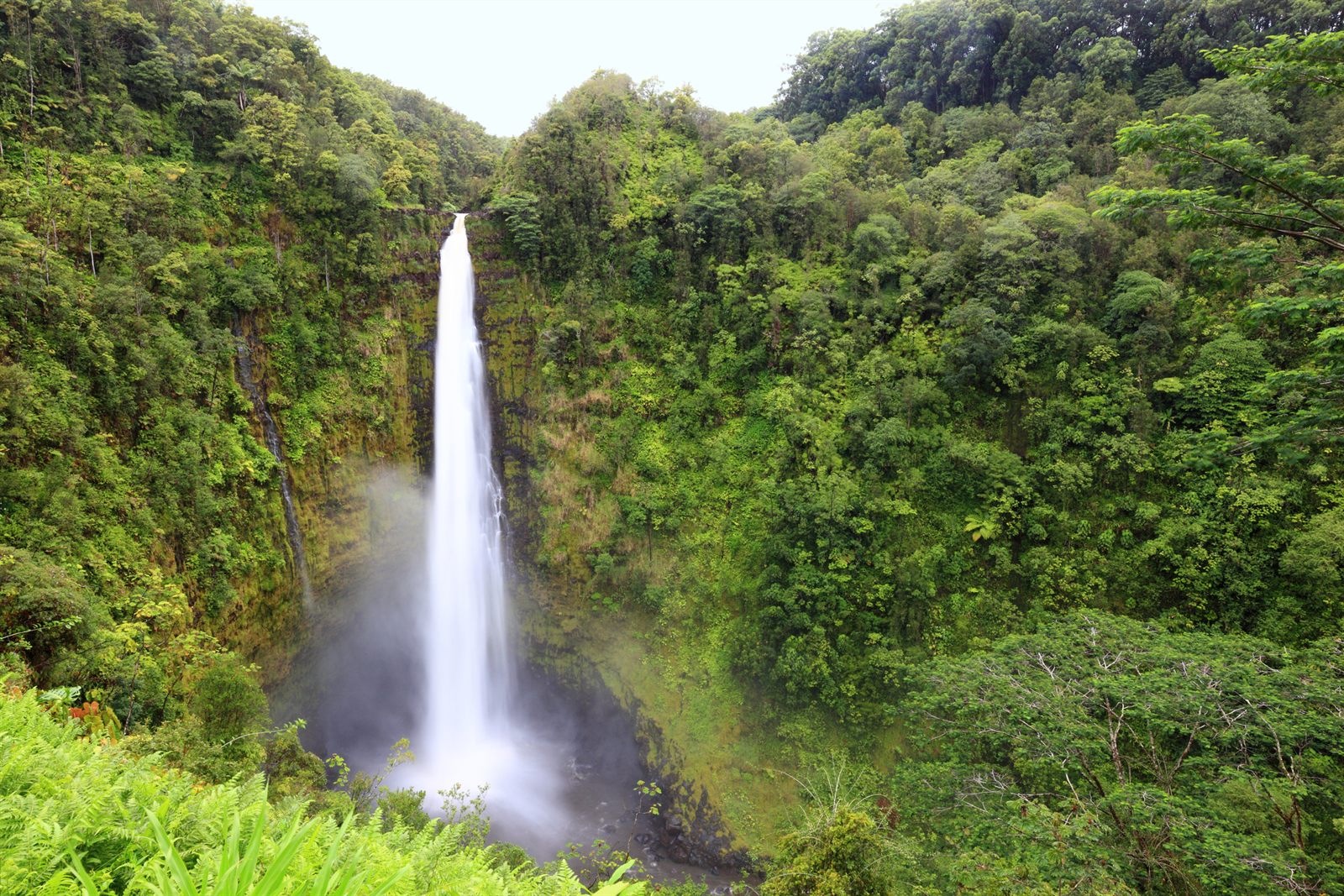
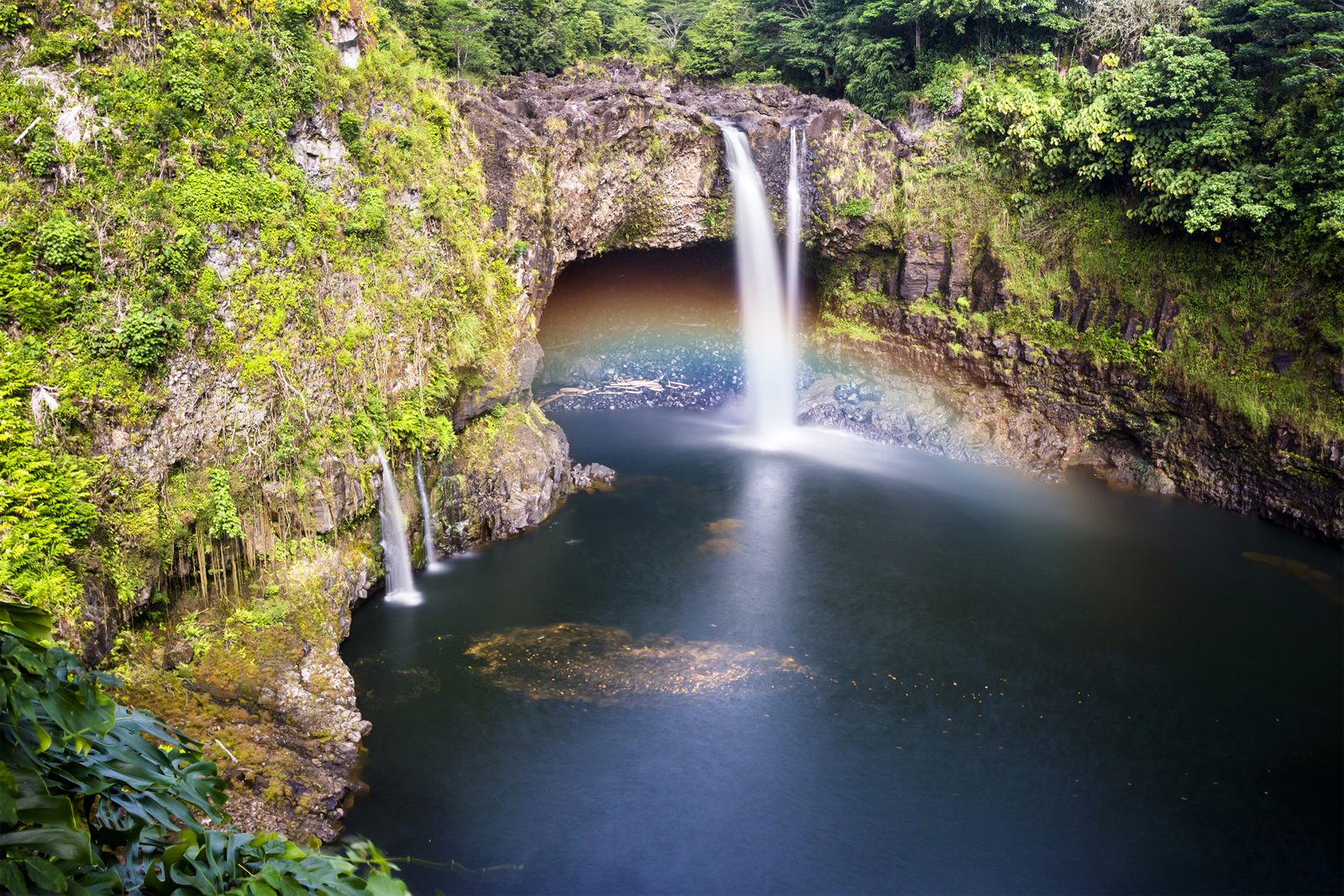
Waterfalls are minutes from downtown. At Wailuku River State Park, Rainbow Falls drops over a lava cave into a wide pool, and on sunny mornings the mist often holds a rainbow. A little upstream, the Boiling Pots are a chain of churning pools. Since January 2026, non-residents pay a state park entry and parking fee that covers both sections. North of town, the Hamakua Coast leads to Akaka Falls; see our Waimea and Hamakua page.
Along the bay, Liliuokalani Gardens is a Japanese-style park with stone lanterns, arched bridges and fishponds, and a footbridge leads to Moku Ola, also called Coconut Island, where locals swim and picnic. The Hilo Farmers Market, at the corner of Mamo Street and Kamehameha Avenue, sells tropical fruit, flowers, crafts and snacks, and is busiest on Wednesdays and Saturdays. The Pacific Tsunami Museum downtown tells the story of the waves that shaped the city.
On the University of Hawaii at Hilo campus, the Imiloa Astronomy Center ties the science of the Maunakea observatories to Hawaiian traditions of navigation and the night sky, and has the island's only planetarium. Hilo is also the closest town to Hawaii Volcanoes National Park, about 45 minutes away, and most cruise-ship volcano tours start here. Downtown has good plate lunch counters, a fish market and several bakeries, so it is easy to eat well between sights, and the bayfront parks are a pleasant place to walk once the afternoon showers pass.
Don’t Miss
Wailuku River State Park's two sections; non-residents pay one entry and parking fee for both. Go in the morning for the best chance of a rainbow.
A Japanese-style bayfront park with stone lanterns, bridges and ponds, next to the footbridge to Moku Ola (Coconut Island).
Fruit, flowers, crafts and snacks downtown, with the most vendors on Wednesdays and Saturdays.
Astronomy and Hawaiian culture under one roof, with the island's only planetarium. Closed Mondays.
A downtown museum about the 1946 and 1960 tsunamis and the science of tsunami warning.
Top-Rated Tours, Tickets & Activities in Hilo
 Viator
 Viator
 Viator
 Viator
 Viator
 Viator
 Viator
 Viator
 Viator
 Viator
 Viator
 Viator
 Viator
 Viator
Tours, tickets, prices and reviews from Viator (a Tripadvisor company) and Tiqets — prices are per person, from, and were checked October 27, 2026. Best of Hawaii Island may earn a commission when you book, at no extra cost to you.
Plan your time in Hilo
Tell us when you are coming and what you enjoy. A travel specialist will put together hotel, activity and travel options for you — free, with no obligation.
Get free trip quotes »Hilo — FAQ
Is Hilo worth visiting?
Yes, especially if you want to see Hawaii Volcanoes National Park, the waterfalls and a real working town. Plan for rain, but showers are often short, and mornings tend to be clearer.
Do you have to pay to see Rainbow Falls?
Hawaii residents enter free. Since January 2026, non-residents pay a per-person entry fee and a parking fee at Wailuku River State Park, which covers both Rainbow Falls and the Boiling Pots.
More of Hawaii Island