Best of Hawaii Island
Volcanoes, snow-capped summits, black sand and coffee farms on the youngest Hawaiian island.
See things to do »Welcome to Hawaii Island
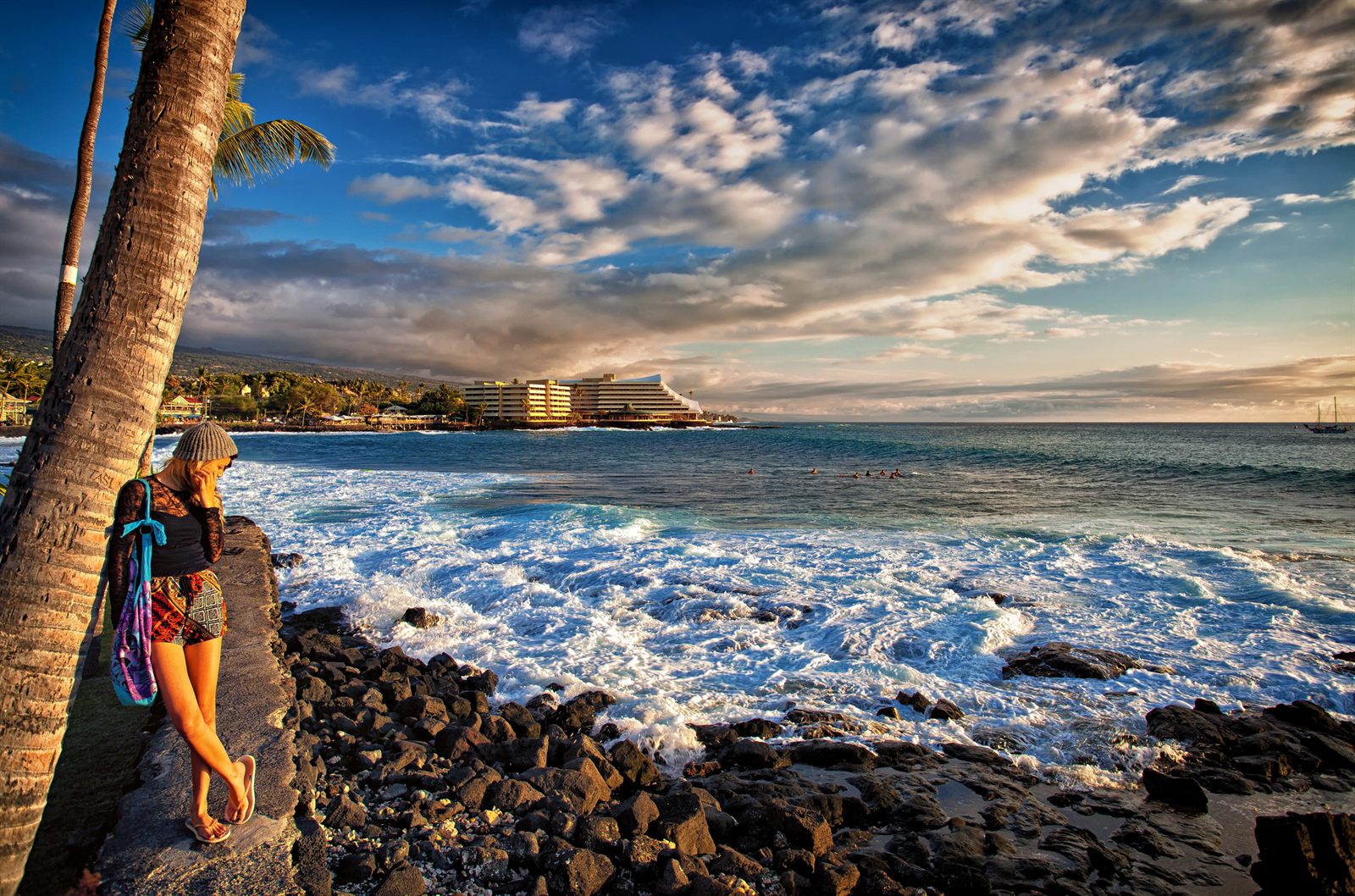
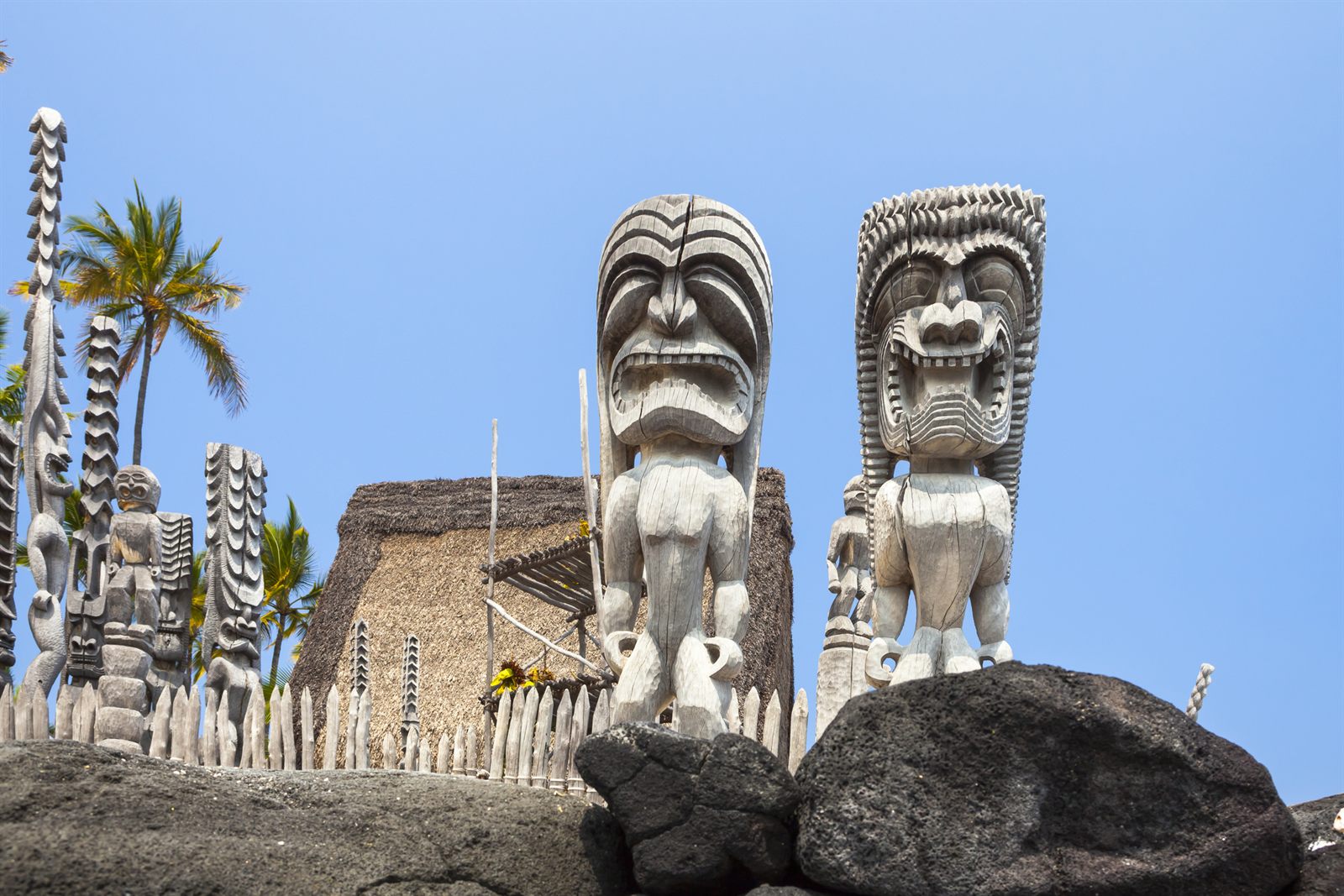
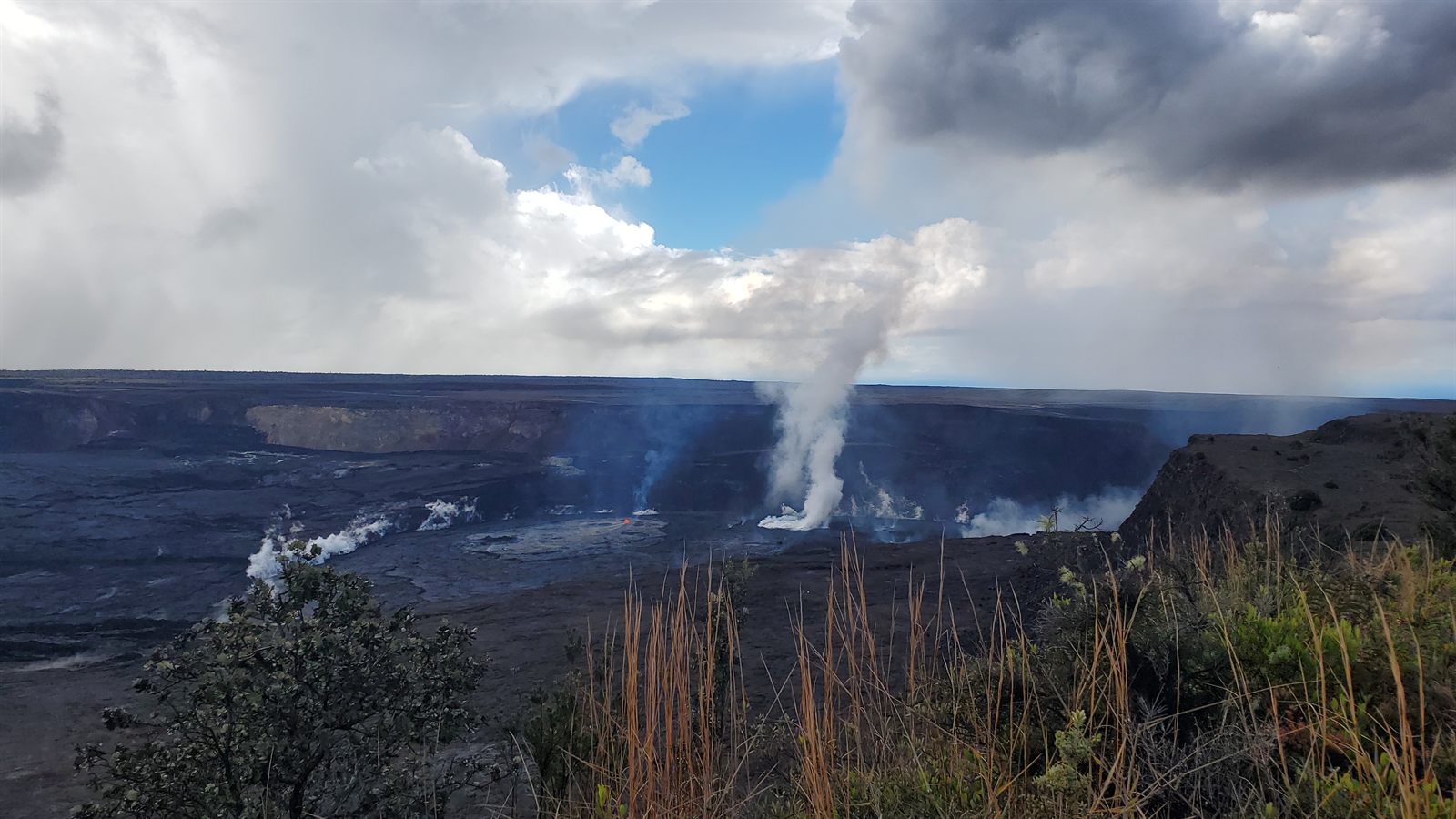
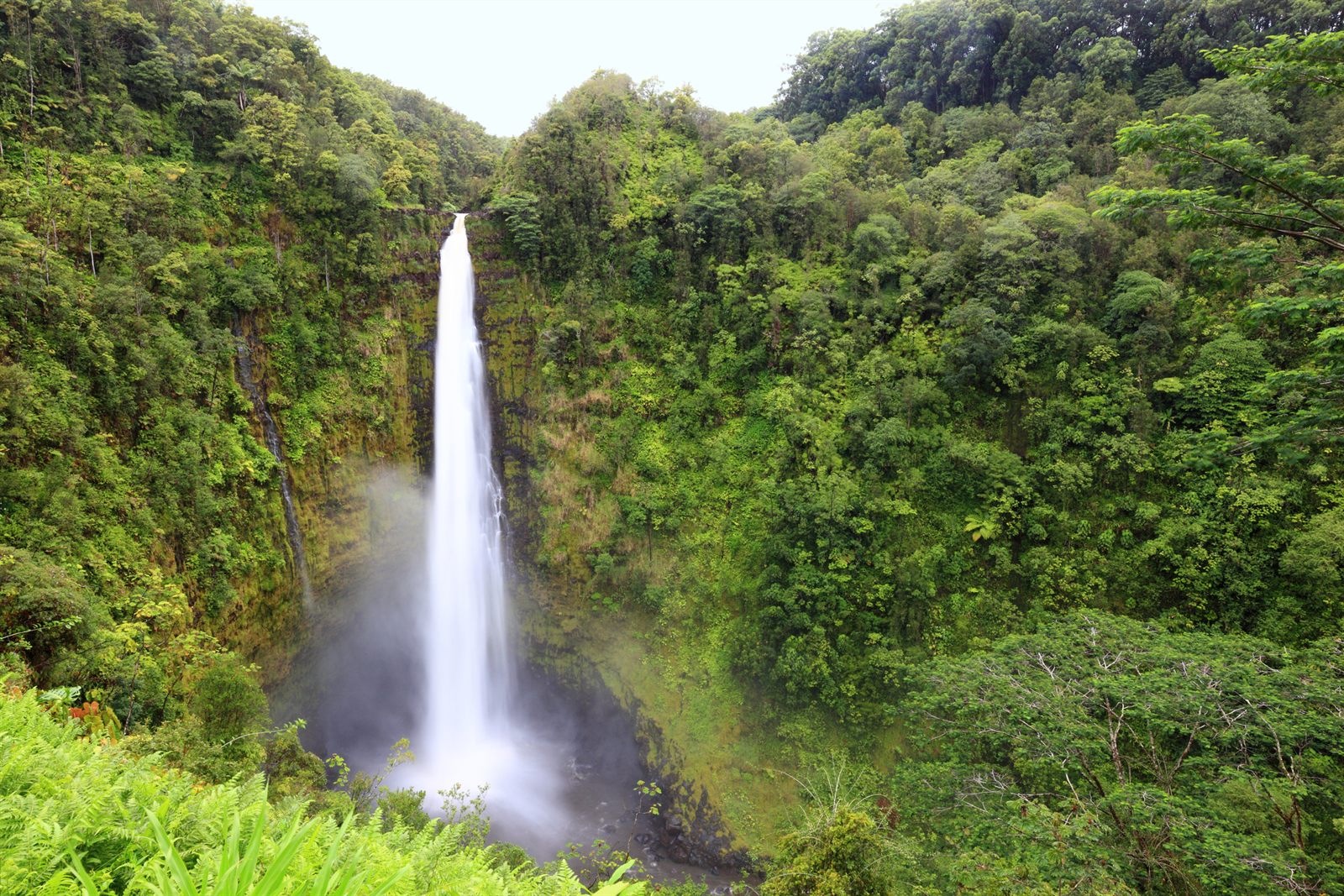
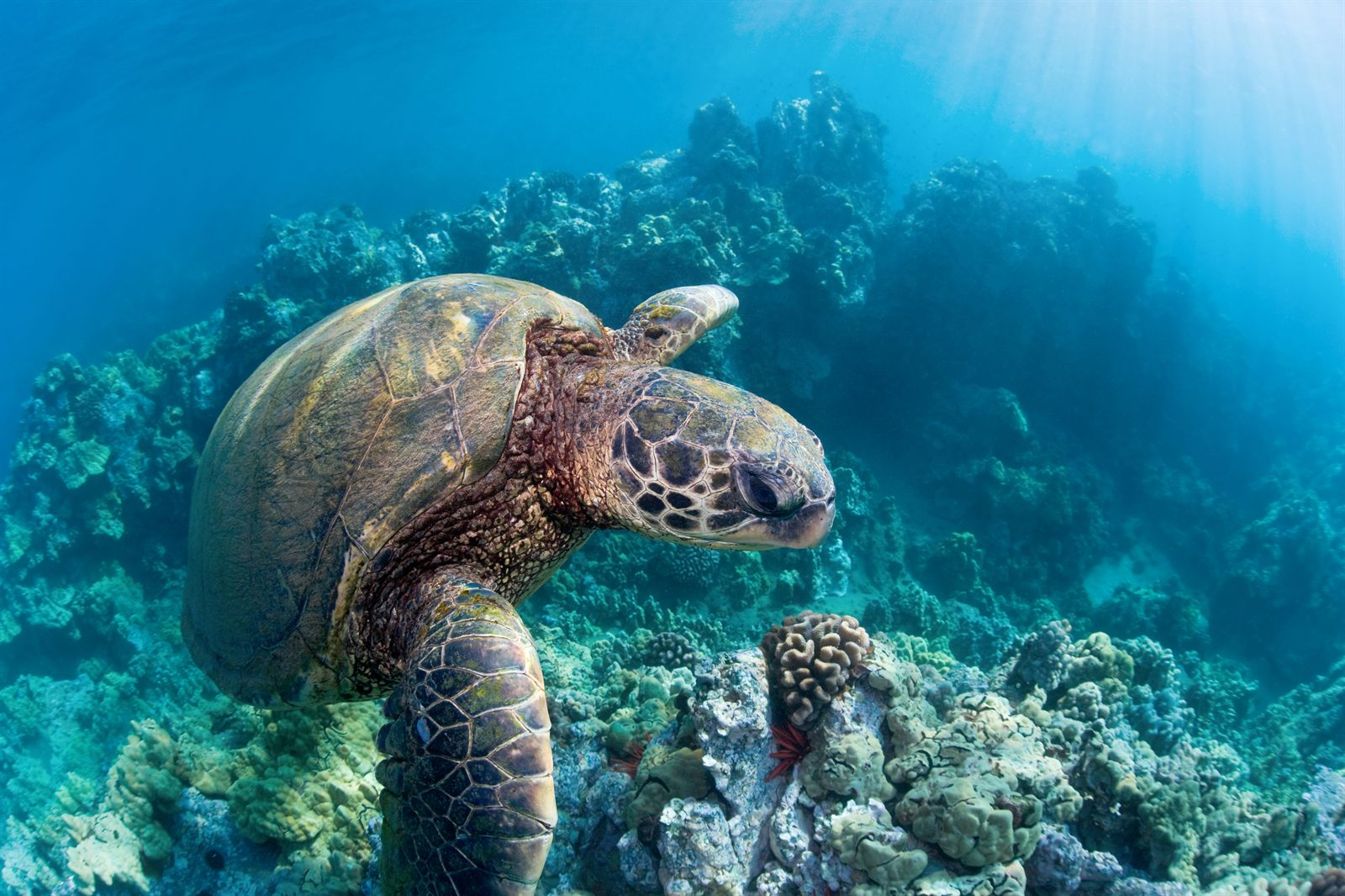
Hawaii Island is the reason people call it the Big Island. It is larger than all the other Hawaiian islands put together, and it is still growing: Kilauea, on its southeast flank, has been erupting on and off for decades and has added new land as recently as 2018. Within a single day's drive you can stand at the rim of an active caldera, walk through rain forest to a waterfall, sit on a black sand beach with resting sea turtles and look down from above 9,000 feet on Maunakea. That range is what makes the island worth more time than a quick stop. It is also a place with deep Hawaiian roots: Kamehameha the Great was born in North Kohala, and sacred sites, fishponds and temples along both coasts are still cared for by Native Hawaiian families and the National Park Service.
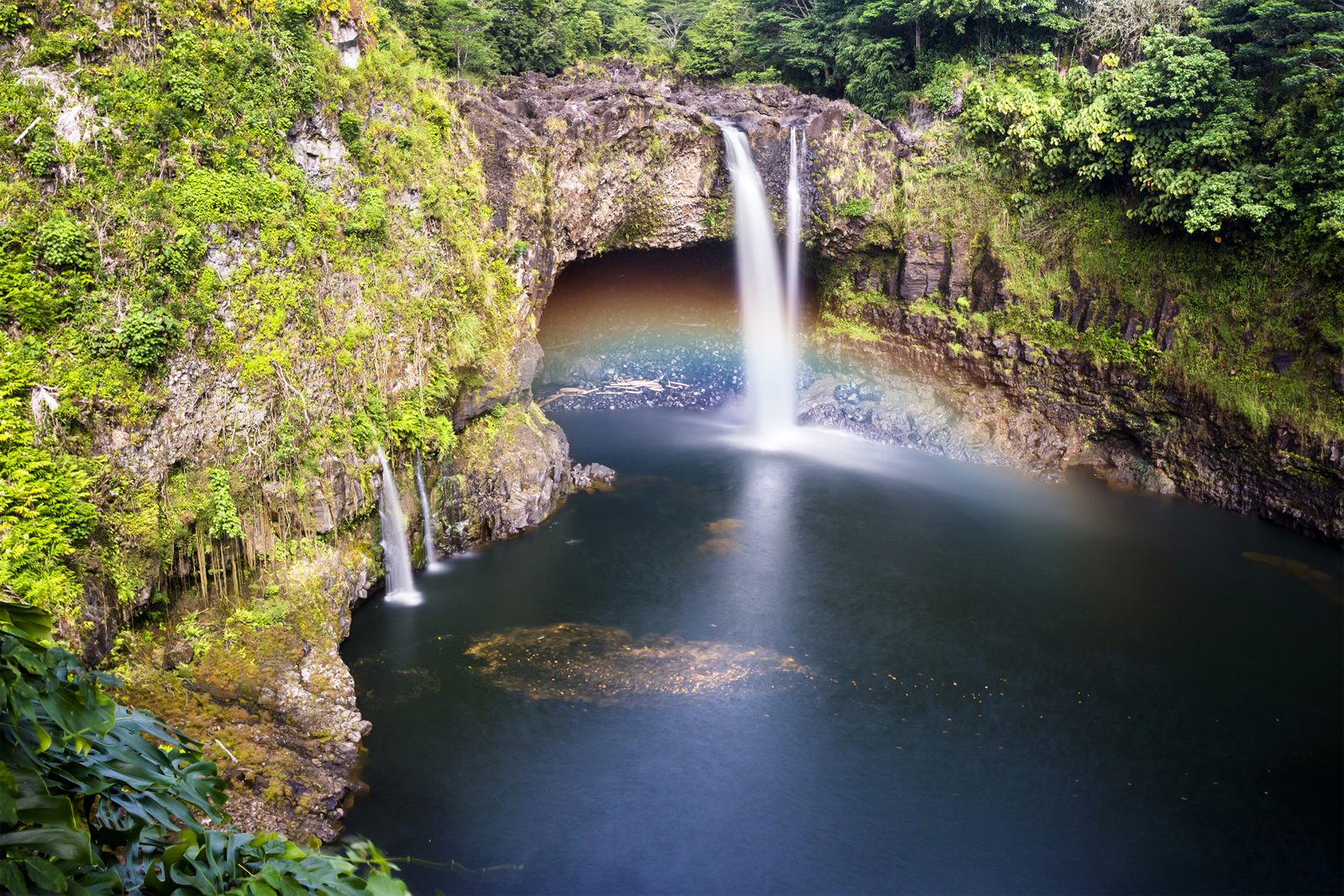
Most visitors divide their stay between the two coasts. The west side, around Kailua-Kona and the Kohala Coast, is dry and sunny, with snorkeling bays, resort beaches, historic Hawaiian sites and the coffee farms of the Kona slopes. The east side, centered on Hilo, catches the trade winds and the rain, so it is green, lush and full of waterfalls, gardens and an old-fashioned downtown. Hawaii Volcanoes National Park sits between them, about 45 minutes from Hilo and two hours or more from Kona.
Distances are real here. Driving all the way around the island takes eight hours or more without stops, so many travelers split their nights between Kona and Hilo or Volcano Village rather than doing long day trips in both directions. Inland, the cowboy town of Waimea and the Hamakua Coast link the two sides through pasture, gulches and old sugar towns, and the southern district of Kau holds the island's wildest coastline, from Punaluu's black sand to Ka Lae, the southernmost point in the United States.
Plan around a few rules. Hawaii Volcanoes National Park charges an entrance fee, and conditions change with the volcano and the weather; in 2026 parts of the park have closed temporarily after storms and for volcanic activity. Several state parks, including Akaka Falls, Rainbow Falls and Hapuna Beach, charge non-residents entry and parking fees. Driving to the Maunakea summit requires a four-wheel-drive vehicle, and sea turtles and monk seals on the beaches are protected, so keep your distance.
This guide covers six areas: Kona, the Kohala Coast, Hilo, the volcano area, Waimea and the Hamakua Coast, and Kau. Each area page has our notes on what to see and what to book ahead, plus top-rated tours from Viator. The dining and events pages cover the island's plate lunch counters, farm-to-table rooms, coffee festivals and the Merrie Monarch hula festival.
Explore Hawaii Island by Area
Top-Rated Things to Do in Hawaii Island
 Viator
 Viator
 Viator
 Viator
 Viator
 Viator
 Viator
 Viator
Tours, tickets, prices and reviews from Viator (a Tripadvisor company) and Tiqets — prices are per person, from, and were checked October 27, 2026. Best of Hawaii Island may earn a commission when you book, at no extra cost to you.
Where to Eat in Hawaii Island
The Big Island eats well from one coast to the other. Hilo claims the loco moco and has plate lunch counters and a fish market selling poke by the pound, Kona has oceanfront dinners and a brewpub, Waimea is where Hawaii Regional Cuisine was born, and Volcano Village has warm dining rooms for a cool night near the crater.
Festivals and Events in Hawaii Island
The Big Island's calendar has some of Hawaii's best-known events: the Merrie Monarch Festival fills Hilo with hula the week after Easter, the IRONMAN World Championship takes over Kona in October, and the Kona Coffee Cultural Festival celebrates the harvest in November. In between come a Fourth of July rodeo in Waimea, outrigger canoe races off Kailua Bay, and festivals for beer, chocolate and Kau coffee.
Want help planning Hawaii Island?
Tell us when you are coming and what you enjoy. A travel specialist will put together hotel, activity and travel options for you — free, with no obligation.
Get free trip quotes »Plan Your Hawaii Island Trip
Hawaii Island — FAQ
Should I stay in Kona or Hilo?
Kona and the Kohala Coast have sunnier weather, more hotels and resorts, and the best snorkeling. Hilo is greener, wetter and closer to Hawaii Volcanoes National Park and the waterfalls. For a week or more, many travelers split their stay between the two sides.
How many days do I need on Hawaii Island?
Plan at least five days to see both sides without rushing, and a week or more if you want time for the volcano, Maunakea, snorkeling, the Hamakua Coast and Kau. Driving between Kona and Hilo takes about two hours each way.
Is Kilauea erupting?
As of late October 2026, Kilauea has been erupting in episodes inside Halemaumau crater, at the volcano's summit, since December 2024, with short bursts of lava fountaining between pauses. Check the USGS Hawaiian Volcano Observatory and the park's current conditions page before you go; what you can see changes from day to day.
Do I need a rental car?
Yes, for most visitors. Public transportation is limited and the island's sights are spread out. A standard car is fine for nearly all paved roads, but you need a four-wheel-drive vehicle to drive above the Maunakea Visitor Information Station.
When is the best time to visit?
The island is pleasant all year. Winter brings humpback whales offshore and occasional snow on Maunakea; summer is drier on the Hilo side and calmer for snorkeling. Hotels in Hilo fill up during the Merrie Monarch Festival in spring, and Kona is busy during the IRONMAN World Championship in October.